The story of Bethlehem begins with immigrants.
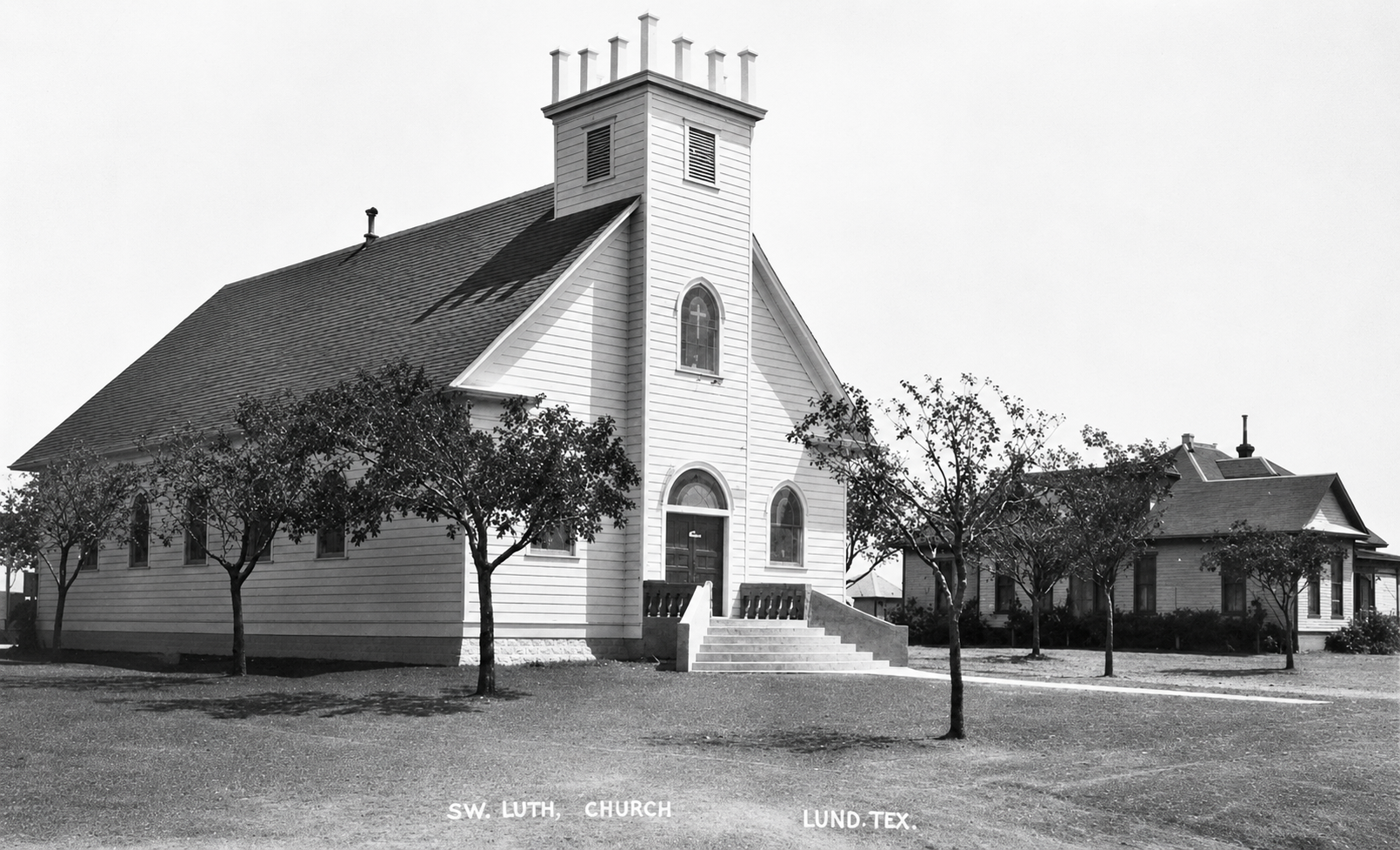
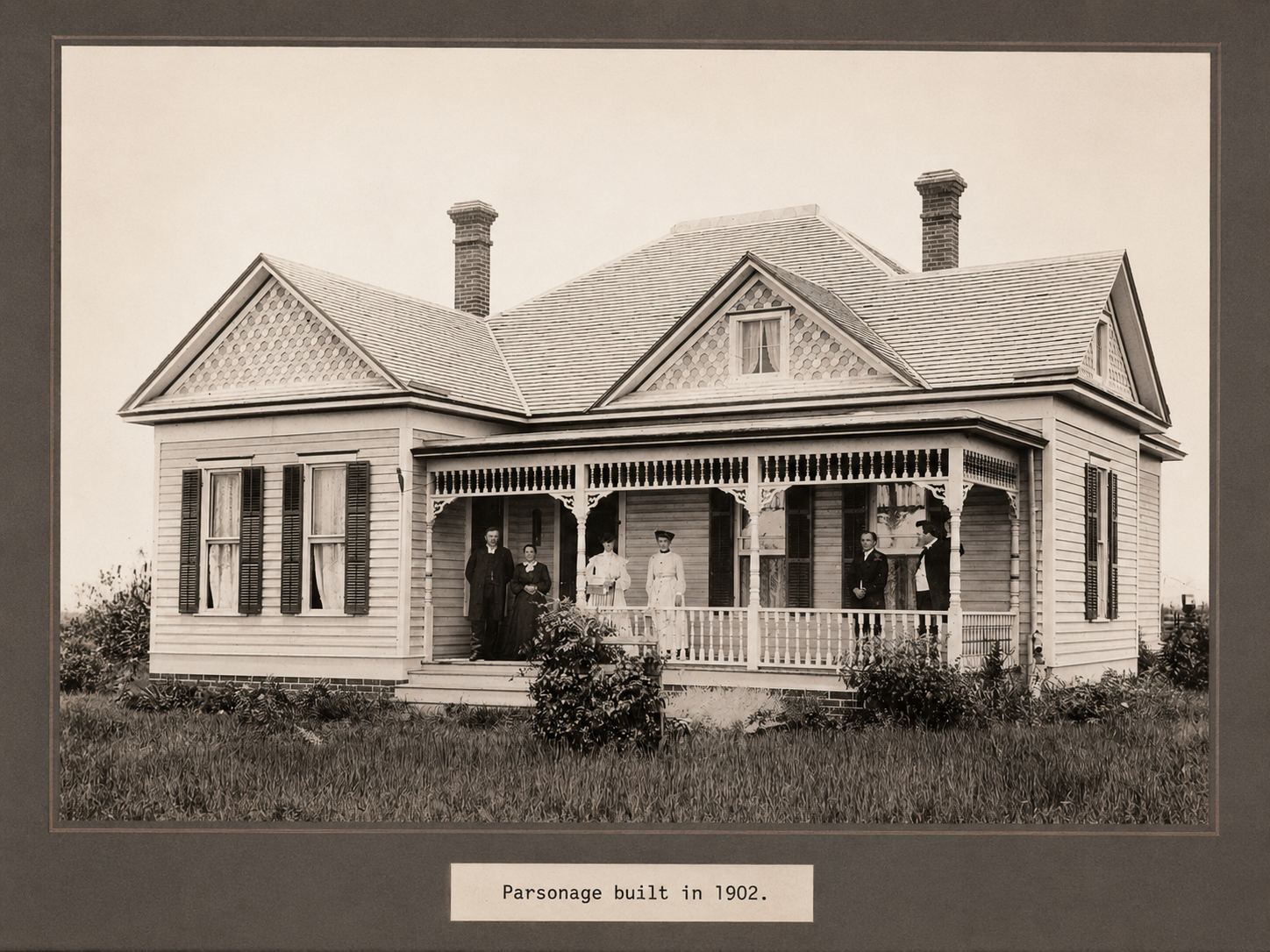
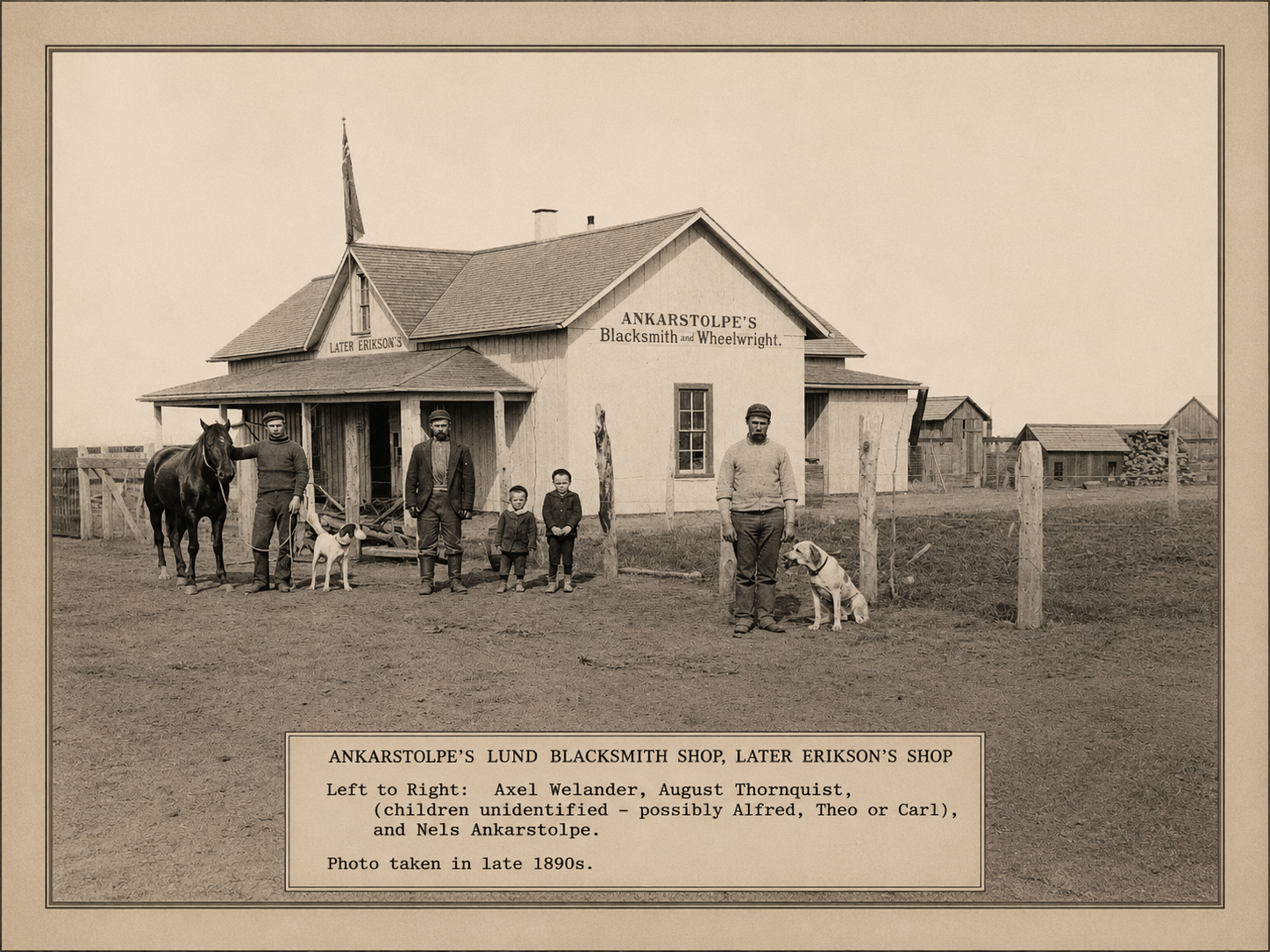
In the late 1880s, Swedish settlers began moving into the small community of Lund, Texas, drawn by the rich farmland and the presence of other Swedes who had already settled in the nearby New Sweden area. The first families to arrive in Lund were N. M. Anderson, August Thornquist, and Gustaf Seaholm. Through the 1890s, more Swedish families followed.
In a letter dated January 23, 1896, two of those early settlers wrote home to their relatives in Sweden, describing the strange new country in which they had landed: "West of us there live nothing but Swedes for a distance of about sixteen miles. East and south and north of us there lives a mixed population of Americans, Germans, Bohemians, Negroes, and Mexicans, so it is certainly a strange mixture."
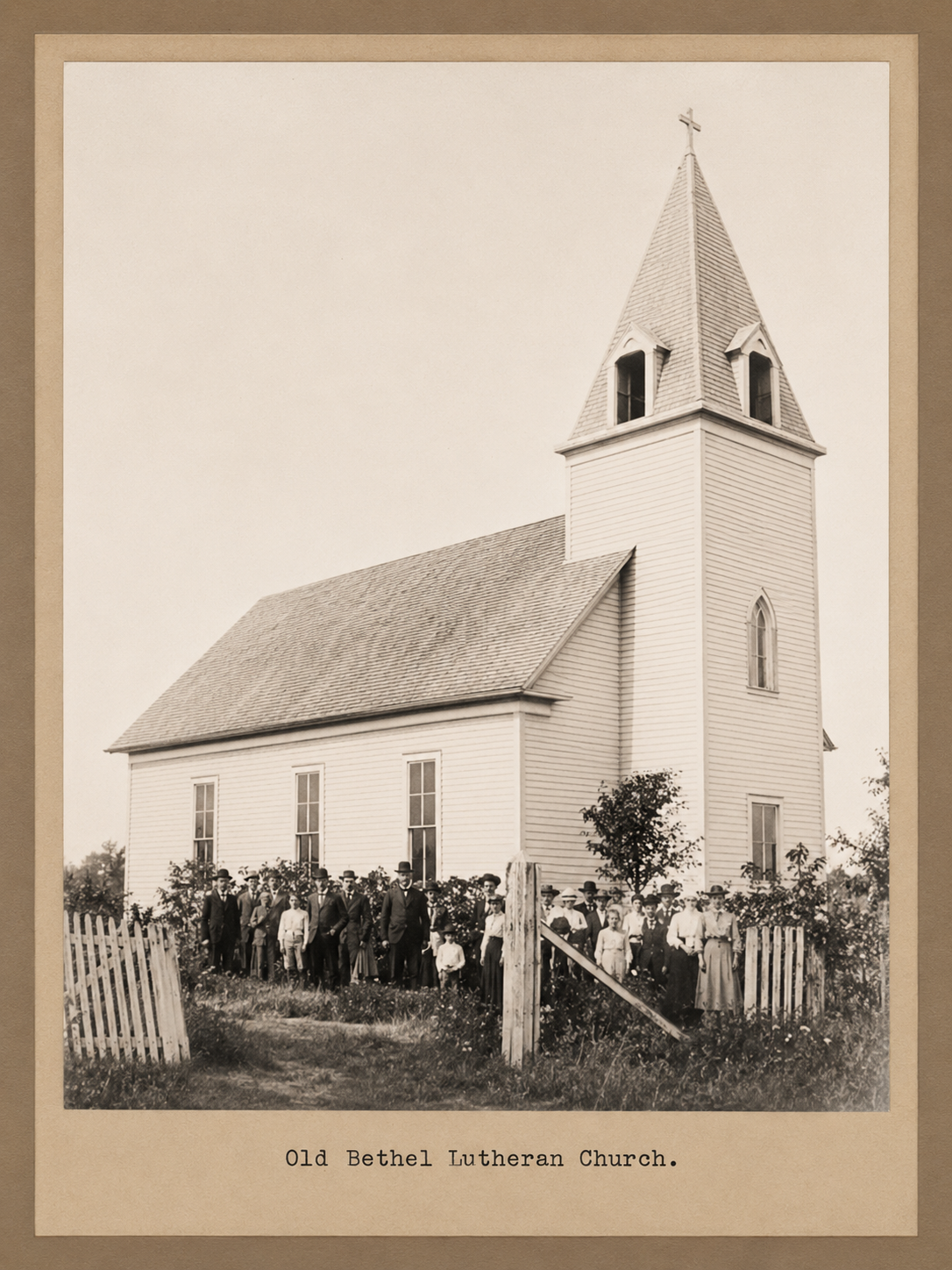
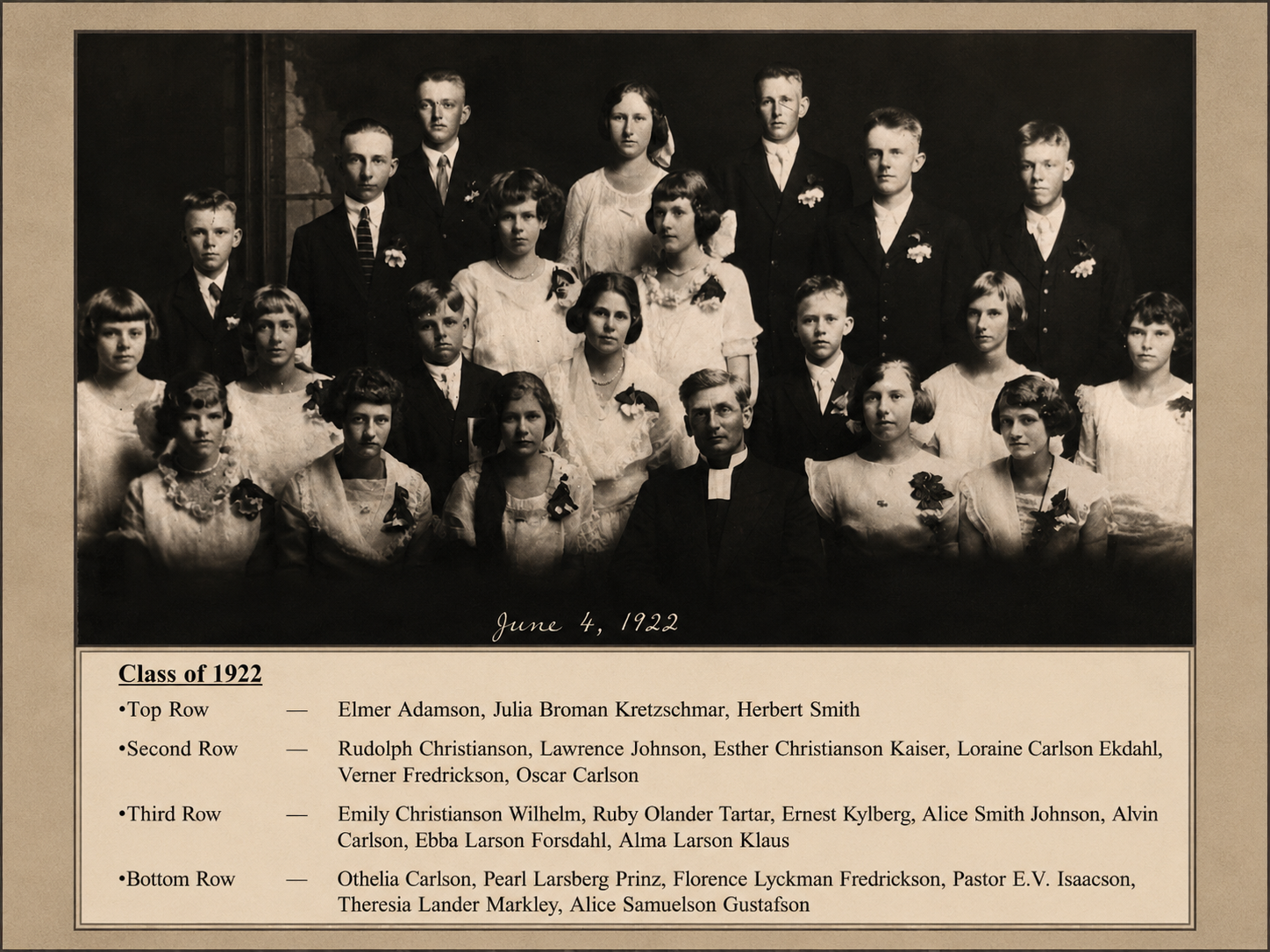
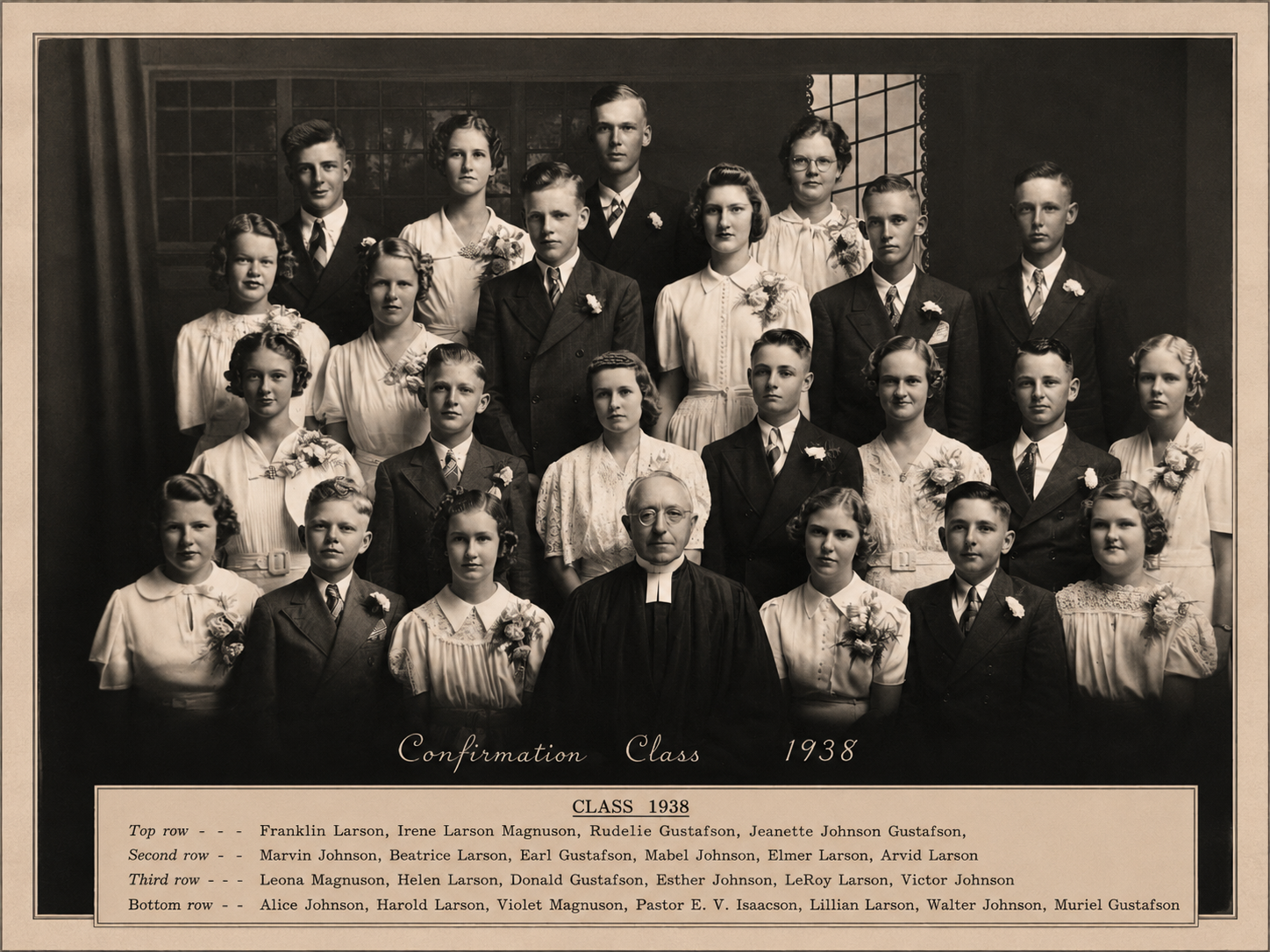
A year later, on January 16, 1897, the Bethlehem congregation was organized. There were nineteen communicants and twenty children. Three men — P. V. Nelson, Nels Ankarstolpe, and J. E. Rivers — donated one and a half acres of land for the church, and an additional acre for a community graveyard. That cemetery is still here. The names on those stones are the people who started this.
In the fall of 1899, the congregation built its first church building.
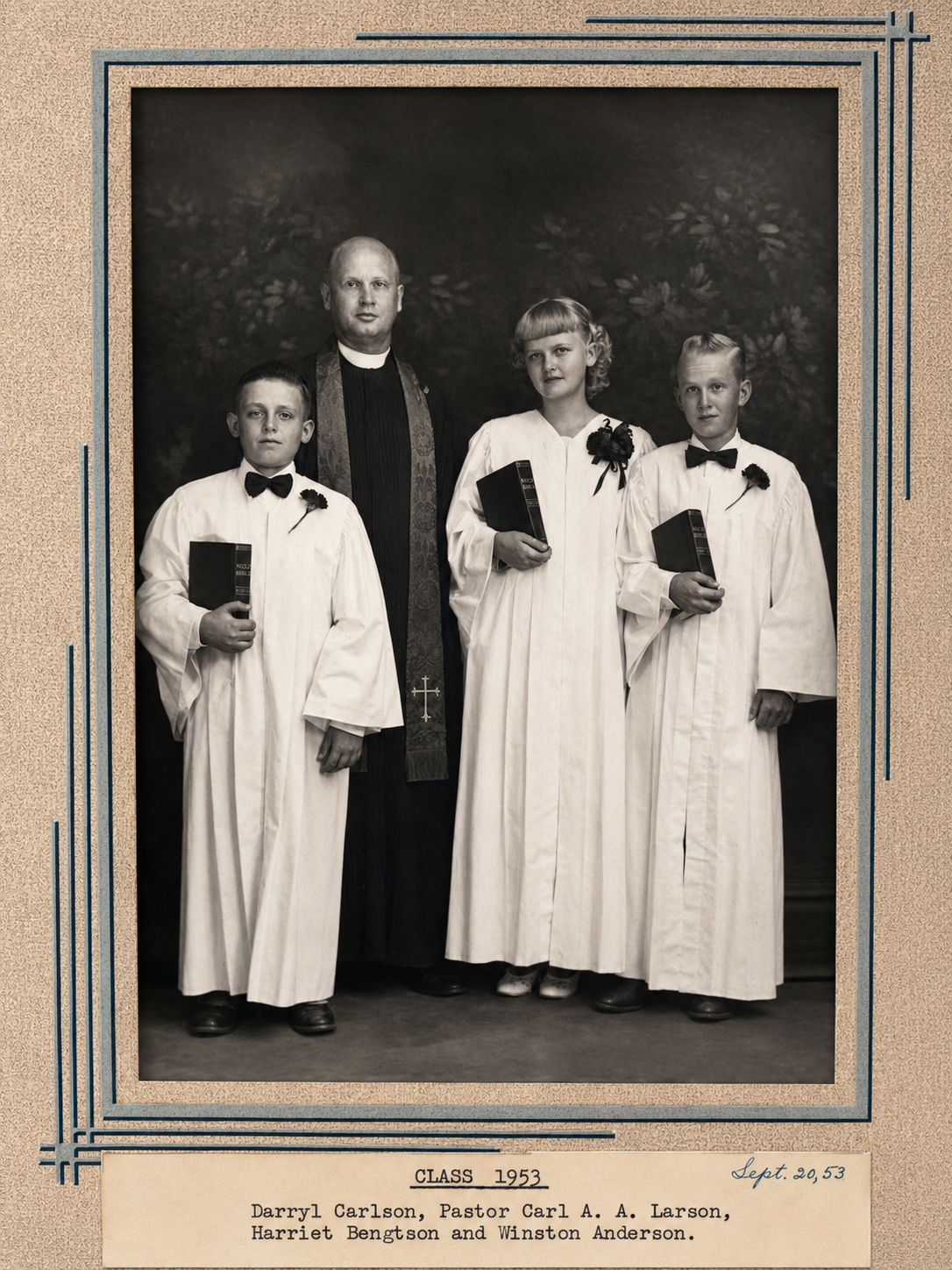
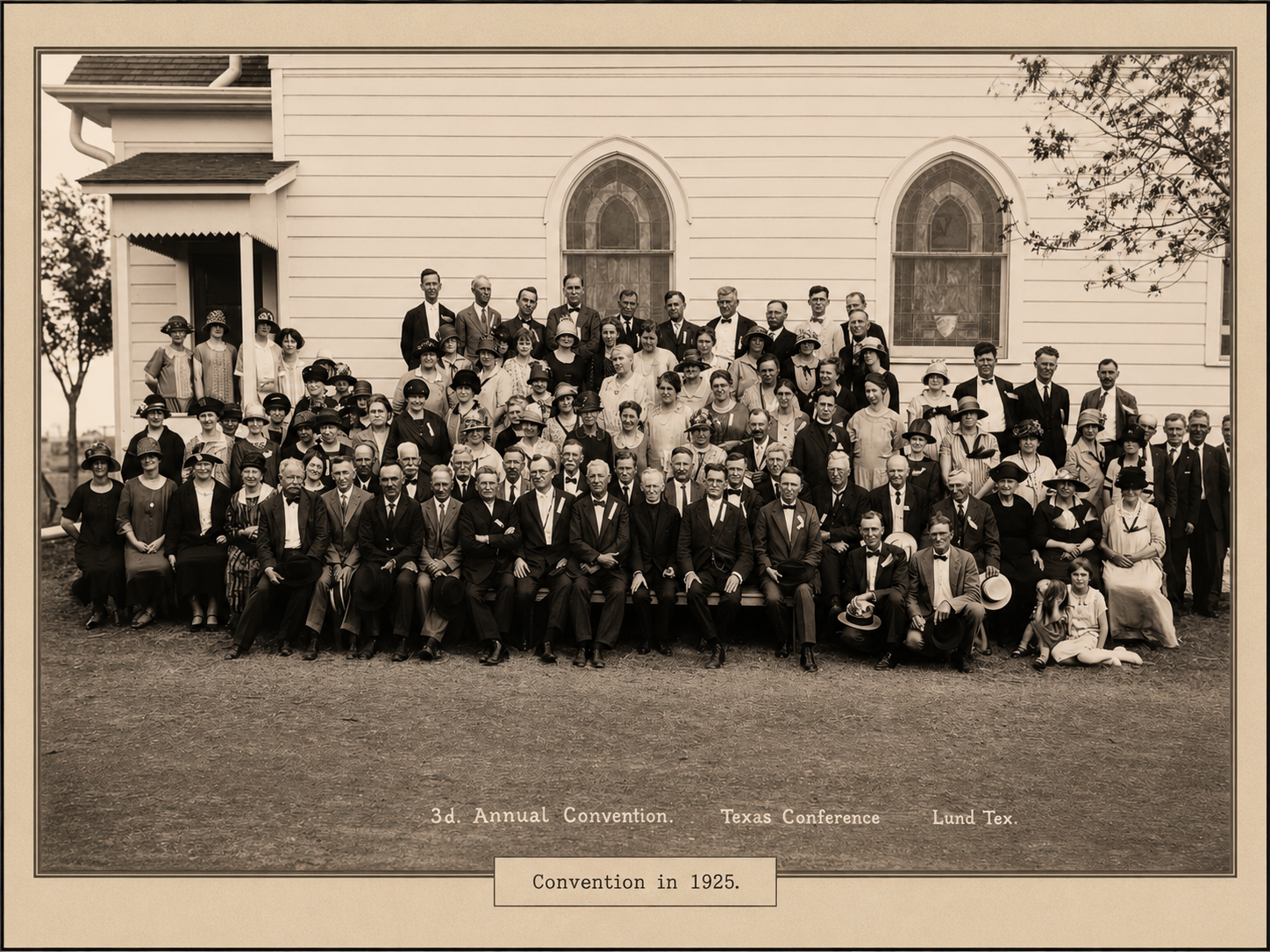
For the next eighty years, Bethlehem stood in Lund through everything central Texas could throw at it. Through two world wars. Through the influenza pandemic of 1918. Through the Great Depression that broke farmers across this part of the state. Through the slow decline of the Swedish-speaking generation and the long work of becoming an English-speaking congregation without losing what made them who they were. Through droughts, floods, and the disappearance of most of the other small Swedish settlements around them. Through all of it, every Sunday, the people of Bethlehem gathered to hear the Word and receive the Sacraments in the building their grandparents had built.
Then, on April 7, 1980, a tornado tore through Lund. The historic 1899 church — the one built by those first nineteen communicants — was lifted off its foundation and so badly damaged that it had to be demolished. After eighty-one years, the building was gone in an afternoon.
The congregation could have ended there. Many small rural congregations do end after a disaster of that scale. But the people of Bethlehem in 1980 refused to let the congregation die on their watch. They had inherited the church from generations who would not let it die on theirs. So they built again. The current brick sanctuary with its bell tower stands today because that generation chose to rebuild rather than scatter.
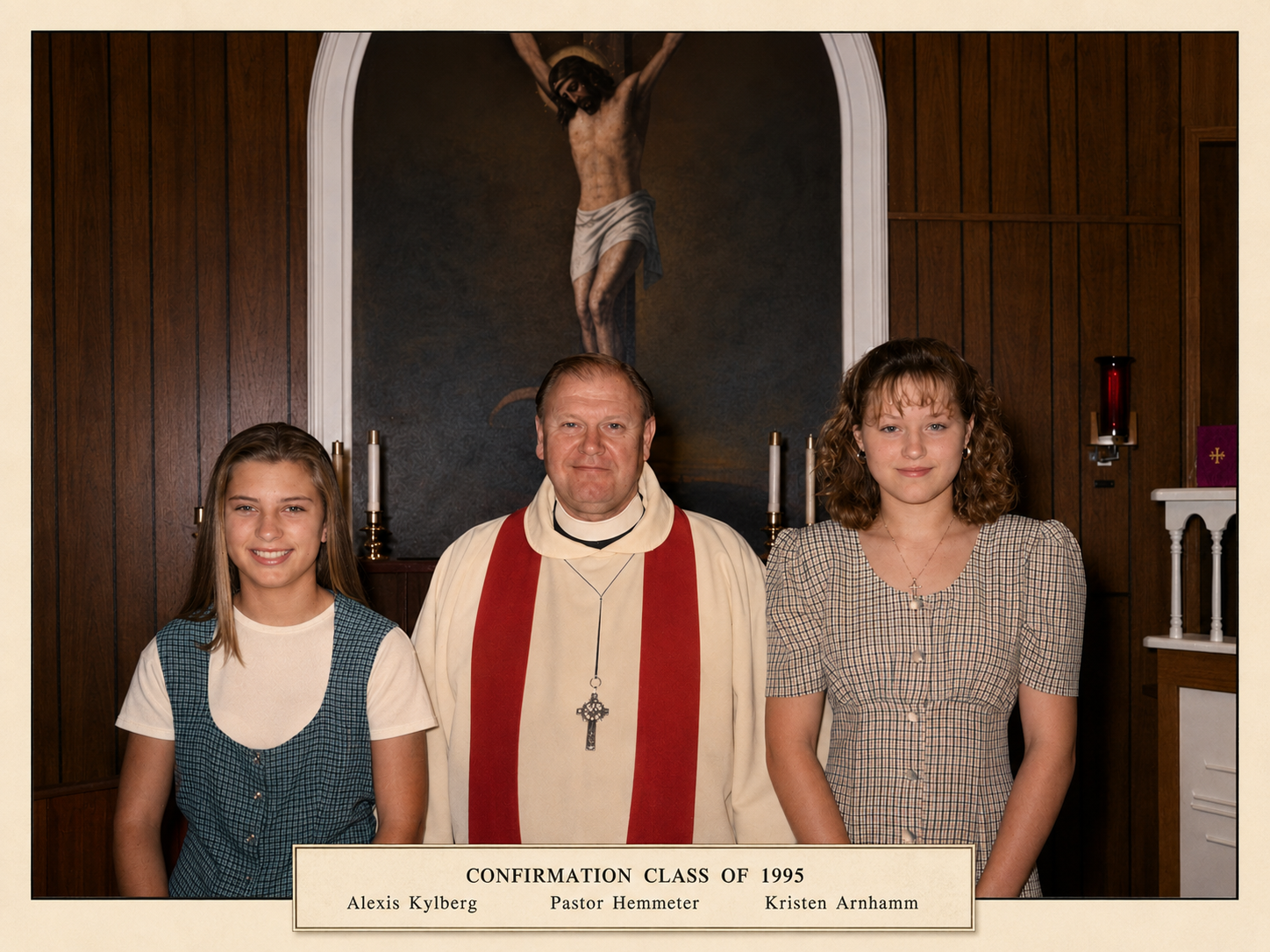
Today, Bethlehem is in its 129th year. The Swedish accents are gone. The farmland around us is filling with new neighborhoods. The world has changed many times over since 1897. But the same Gospel is still preached at this altar. The same promise is still given at this font. The same body and blood of Christ are still received at this table.
Every generation of Bethlehem has owed the next generation an attempt — not a guarantee, but a faithful, prayerful, costly attempt. The nineteen who organized in 1897 made theirs. The men who donated the land made theirs. The generation that built in 1899 made theirs. The generation that rebuilt after the tornado made theirs. Each handed Bethlehem to the next generation alive and intact.
We intend to do the same.
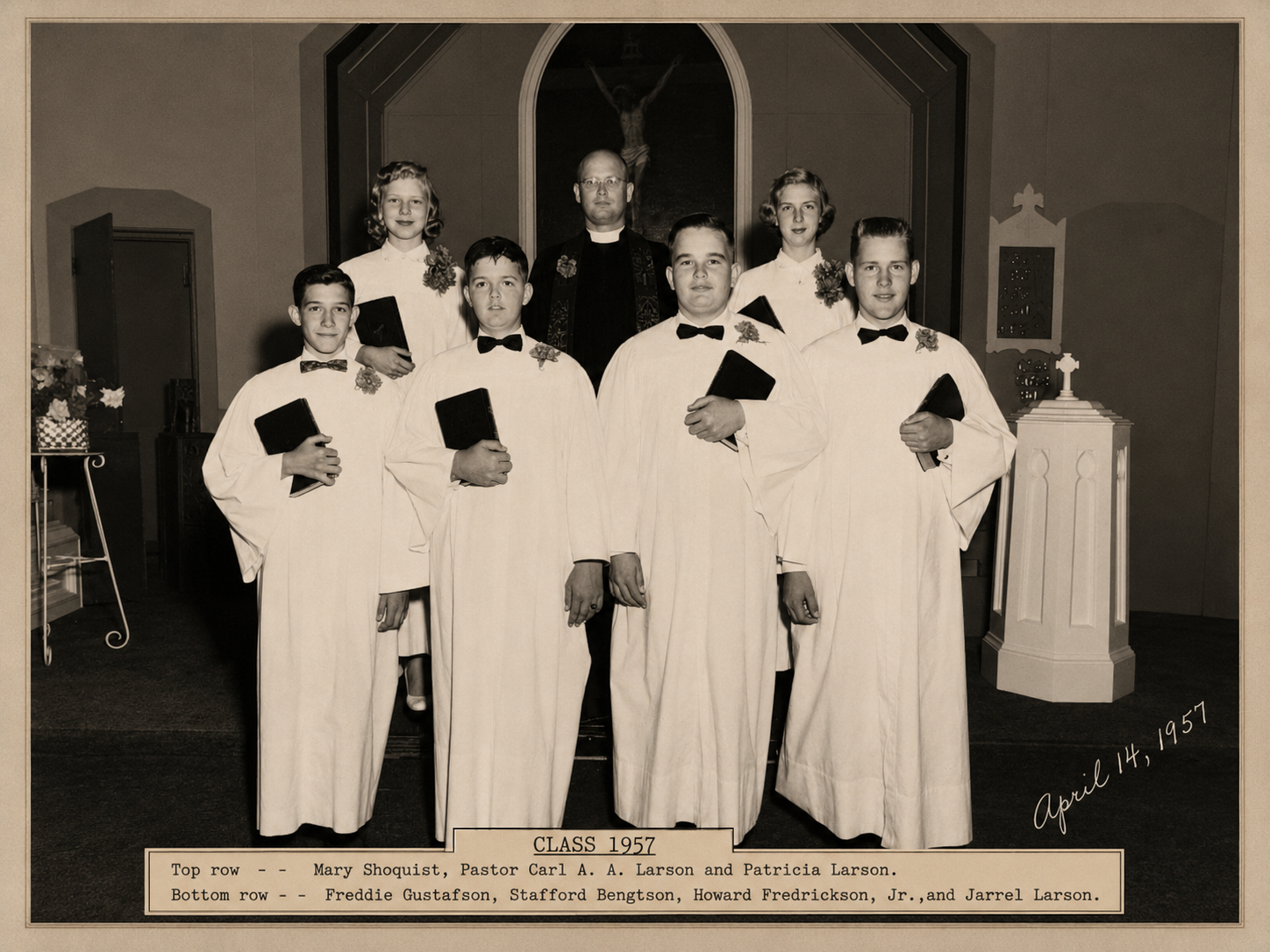
Our History — Bethlehem Lutheran Church, Founded 1897